
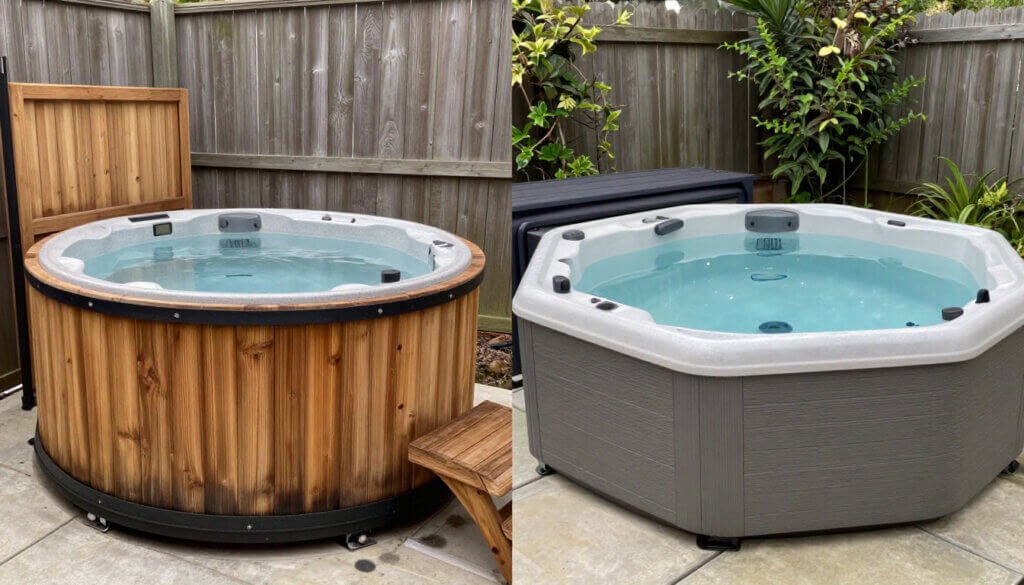
Wood Fired Hot Tub Vs Electric Hot Tub Which One Is Better for Your Outdoor Space?
Choosing between a wood fired hot tub and an electric hot tub can feel confusing, especially when both options offer comfort, relaxation, and a luxury outdoor experience. Many homeowners in the UK are now searching for energy-efficient and natural spa solutions that suit their gardens, patios, and countryside homes.
A hot tub is more than just a place to relax. It becomes part of your lifestyle, outdoor design, and wellness routine. Before buying one, it is important to understand the differences between a wood burning hot tub and an electric spa system. Each option has unique advantages depending on your budget, maintenance expectations, heating preferences, and outdoor environment.
This guide explains everything you need to know so you can choose the right hot tub for your home and long-term needs.
What Is a Wood Fired Hot Tub?
A wood fired hot tub is a traditional outdoor tub heated using a wood burning stove or integrated heater. Instead of relying on electricity, the water is warmed naturally through burning logs or firewood.
Most wooden hot tubs are made from cedar, spruce, thermowood, or other durable timber materials that create a rustic and natural appearance. These tubs are popular in countryside properties, glamping sites, holiday lodges, and eco-friendly homes.
The heating process creates an authentic outdoor spa experience that many homeowners prefer over modern electric systems.
What Is an Electric Hot Tub?
An electric hot tub uses electrical heating systems, pumps, and filtration equipment to heat and circulate water automatically. These hot tubs are common in residential homes and modern spa installations.
Electric tubs usually include advanced features such as:
- Digital temperature controls
- Hydrotherapy massage jets
- LED lighting
- Built-in filtration systems
- Automated heating
They provide convenience and fast operation, making them suitable for users who want instant comfort with minimal manual work.
Main Difference Between Wood Fired and Electric Hot Tubs
The biggest difference is the heating method.
A wood fire heated hot tub uses natural firewood to warm the water, while an electric hot tub depends entirely on electricity.
This difference affects:
- Running costs
- Heating speed
- Maintenance
- Environmental impact
- Outdoor experience
- Installation requirements
Understanding these factors will help you make the right investment.
1. Heating Experience and Atmosphere
One reason many people choose a wood fired hot tub UK model is the unique outdoor atmosphere it creates.
The sound of crackling firewood, natural heat, and wooden surroundings create a relaxing spa experience that feels traditional and peaceful. It brings a camping-style luxury feeling that electric tubs cannot fully replicate.
Electric hot tubs are quieter and more modern. They provide stable heating and convenience but may lack the natural outdoor charm that wood burning systems offer.
Best for Atmosphere:
- Wood fired hot tub
Best for Convenience:
- Electric hot tub
2. Running Costs
Running costs are one of the biggest deciding factors for buyers.
Wood Fired Hot Tub Running Costs
A wood burning hot tub can be cheaper to operate over time because it does not rely heavily on electricity. If you have access to affordable firewood, long-term heating costs stay relatively low.
There are:
- No expensive electric heating bills
- Minimal electrical requirements
- Lower monthly energy costs
This makes wood fired tubs attractive for off-grid properties and eco-conscious homeowners.
Electric Hot Tub Running Costs
Electric hot tubs consume electricity continuously to maintain water temperature and power jets, pumps, and filtration systems.
Monthly costs can become expensive, especially during winter in the UK when temperatures drop.
Factors affecting electric costs include:
- Insulation quality
- Tub size
- Daily usage
- Weather conditions
More Cost Efficient:
- Wood fired hot tubs
3. Installation Requirements
A wood fired hot tub usually requires simpler installation.
Most models only need:
- A flat outdoor surface
- Safe ventilation
- Access to firewood
- Water supply
Some traditional tubs can work completely off-grid.
Electric hot tubs require:
- Professional electrical installation
- Dedicated power supply
- Wiring and safety checks
- Pump and filtration setup
This can increase installation costs significantly.
Easier Installation:
- Wood fired hot tub
4. Maintenance and Cleaning
Maintenance is important when choosing any outdoor spa.
Wood Fired Hot Tub Maintenance
Wood fired tubs have fewer mechanical components, meaning fewer technical issues over time.
However, users must:
- Remove ash from the stove
- Clean the tub regularly
- Manage water quality manually
- Store dry firewood
Electric Hot Tub Maintenance
Electric tubs include pumps, heaters, filters, and jets that require regular servicing.
Maintenance tasks include:
- Filter replacement
- Chemical balancing
- Pump inspections
- Electrical repairs
Although automation helps, repair costs can become expensive.
Lower Mechanical Maintenance:
- Wood fired hot tub
5. Heating Speed
Heating time depends on weather, water capacity, and heating system quality.
A quality wood fired hot tub heater can warm water surprisingly fast when using dry hardwood logs. Some models heat within 2 to 3 hours.
Electric tubs maintain constant temperatures automatically, but initial heating can still take several hours depending on size.
Faster Natural Heating:
- Wood fired hot tub
Better Temperature Stability:
- Electric hot tub
6. Environmental Impact
Many homeowners now prefer sustainable outdoor products.
A wood fire hot tub can be environmentally friendly when using responsibly sourced firewood. It reduces dependence on electricity and lowers energy consumption.
Electric hot tubs rely heavily on electrical power and may increase carbon emissions depending on the energy source.
Eco-conscious buyers often prefer wooden wood fired hot tub designs because they align with natural living and outdoor wellness lifestyles.
7. Design and Outdoor Appearance
A wooden hot tub creates a beautiful natural appearance that blends perfectly with outdoor landscapes, cabins, gardens, and countryside properties.
Wood fired tubs are often chosen for:
- Luxury garden designs
- Glamping resorts
- Nature retreats
- Rustic outdoor spaces
Electric tubs suit:
- Modern homes
- Contemporary patios
- Smart outdoor systems
8. Spa Features and Comfort
Electric hot tubs usually include:
- Massage jets
- Bubble systems
- Smart controls
- Mood lighting
- Built-in filtration
Wood fired tubs focus more on simplicity, relaxation, and natural bathing experiences.
If hydrotherapy and advanced features are important, electric models may be better.
If relaxation, authenticity, and outdoor atmosphere matter more, a wood fired hot tub for sale may be the ideal option.
Which Hot Tub Is Better for UK Weather?
Both options work well in the UK climate, but insulation matters.
A properly insulated wood fired hot tub UK model can perform efficiently during winter while maintaining lower energy costs.
Electric tubs work year-round but may consume more electricity during colder months.
For countryside homes and outdoor retreats, wood burning systems remain extremely popular.
Who Should Buy a Wood Fired Hot Tub?
A wood fired hot tub is ideal for people who want:
- Lower energy costs
- Natural outdoor experiences
- Eco-friendly heating
- Rustic luxury
- Off-grid relaxation
- Traditional spa atmosphere
It is especially suitable for:
- Garden installations
- Holiday cabins
- Glamping businesses
- Rural properties
One trusted option many buyers explore is Tamed Ocean for handcrafted outdoor wooden hot tubs designed for comfort and durability.
Who Should Buy an Electric Hot Tub?
An electric hot tub may be better if you prefer:
- Automated controls
- Massage jets
- Smart features
- Constant water temperature
- Minimal manual heating
They are suitable for:
- Modern urban homes
- Daily spa users
- Luxury entertainment spaces
Final Verdict
The decision between a wood fired hot tub and an electric hot tub depends on your lifestyle, budget, and outdoor preferences.
If you value natural heating, lower operating costs, outdoor atmosphere, and eco-friendly living, a wood burning hot tub offers an exceptional experience that feels authentic and relaxing.
If convenience, automation, and hydrotherapy features are your priority, an electric hot tub may suit your needs better.
Both options provide comfort and luxury, but many UK homeowners are now choosing wood fired hot tubs because of their traditional charm, energy efficiency, and unique outdoor appeal.
FAQs
Are wood fired hot tubs cheaper to run than electric hot tubs?
Yes, wood fired hot tubs are usually cheaper to run because they rely on firewood instead of continuous electricity usage.
How long does a wood fired hot tub take to heat?
Most wood fired hot tubs heat within 2 to 4 hours depending on water volume, weather conditions, and firewood quality.
Do wood fired hot tubs need electricity?
Many traditional wood fired hot tubs do not require electricity, making them suitable for off-grid locations.
Are wooden hot tubs good for winter?
Yes, insulated wooden hot tubs work very well during winter and provide a relaxing outdoor spa experience in cold weather.
Which is eco-friendlier: wood fired or electric hot tub?
A wood fired hot tub can be more environmentally friendly when using sustainably sourced firewood and low-energy heating methods.
Can I use a wood fired hot tub every day?
Yes, with proper maintenance and water care, a wood fired hot tub can be used regularly throughout the year.