
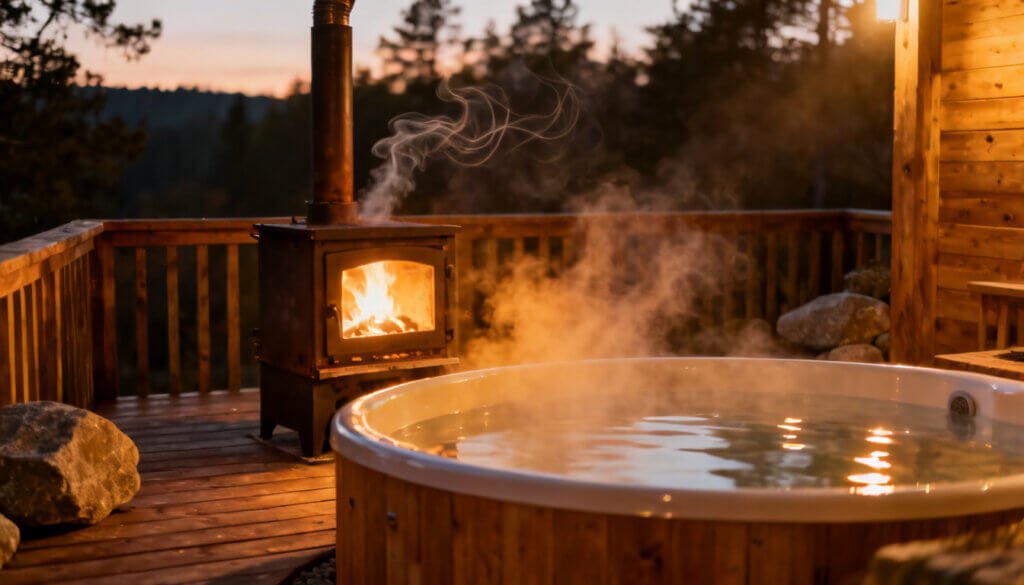
How to Heat a Wood Burning Hot Tub?
A wood fired hot tub offers one of the most enjoyable ways to relax outdoors. The combination of warm water, fresh air, and the natural crackle of burning logs creates an experience that many homeowners prefer over traditional electric hot tubs.
However, if you’ve never owned a wood-burning hot tub before, you may be wondering how the heating process works and how to achieve the perfect water temperature efficiently.
In this guide, we’ll explain exactly how to heat a wood-burning hot tub, how long it takes, what type of wood to use, and how to get the best performance from your wood fired hot tub heater.
How Does a Wood Burning Hot Tub Work?
Before learning how to heat the tub, it’s important to understand the basics.
A wood fired hot tub uses a dedicated wood-burning stove or wood fired hot tub heater to warm the water. Instead of relying on electricity, the heater burns logs and transfers heat directly into the water.
Most modern wood fired hot tubs use natural water circulation, often called thermosiphon circulation.
The process works like this:
- Cold water enters the heater.
- The fire heats the water.
- Warm water rises back into the tub.
- Cooler water replaces it.
This continuous cycle gradually heats the entire tub.
Step 1: Fill the Hot Tub with Water
The first and most important step is filling the tub completely before lighting the fire.
Never operate a wood fired hot tub heater without water inside the tub.
Running the heater dry can:
- Damage the heater
- Reduce efficiency
- Create safety risks
Check that the water level is above the minimum level recommended by the manufacturer.
Step 2: Choose the Right Firewood
The type of wood you use has a significant impact on heating performance.
Best Firewood for a Wood Fire Heated Hot Tub
Recommended hardwoods include:
- Oak
- Ash
- Beech
- Birch
These woods burn hotter and longer, making them ideal for a wood fire heated hot tub.
Avoid These Types of Wood
Do not use:
- Wet logs
- Freshly cut wood
- Treated timber
- Painted wood
- Waste wood products
Dry seasoned hardwood provides better heat output and produces less smoke.
Step 3: Prepare the Heater
Before lighting the fire:
- Remove any old ash.
- Check airflow vents.
- Inspect the chimney for blockages.
- Ensure all connections are secure.
A clean wood fired hot tub heater performs more efficiently and heats water faster.
Step 4: Build and Light the Fire
Start with:
- Firelighters
- Dry kindling
- Small logs
Once the fire is established, gradually add larger pieces of hardwood.
Avoid overloading the heater immediately.
Building the fire gradually helps create a strong and efficient burn.
Step 5: Monitor the Water Temperature
As the fire burns, the water temperature will steadily increase.
Most hot tub users find the ideal bathing temperature to be between:
- 37°C
- 40°C
Use a waterproof thermometer to monitor the temperature regularly.
Avoid overheating the water, as excessively high temperatures can become uncomfortable and unsafe.
How Long Does It Take to Heat a Wood Fired Hot Tub?
Heating time depends on several factors:
- Tub size
- Heater capacity
- Outdoor temperature
- Wind conditions
- Firewood quality
Wood Fired Hot Tub 2 Person
A wood fired hot tub 2 person model typically heats within:
1.5 to 3 hours
Wood Fired Hot Tub 4 Person
A wood fired hot tub 4 person model generally requires:
2 to 4 hours
Smaller tubs heat faster because they contain less water.
Tips to Heat Your Hot Tub Faster
Use Dry Hardwood
Seasoned hardwood generates more heat than softwood or wet logs.
Use an Insulated Cover
A cover helps retain heat while the tub is warming.
Benefits include:
- Faster heating
- Lower fuel consumption
- Better efficiency
Protect the Tub from Wind
Strong winds can cool the water and reduce heater efficiency.
Installing wind protection around your outdoor space can improve performance.
Keep the Fire Consistent
Avoid allowing the fire to burn down completely during the heating process.
A steady fire provides the most efficient heating.
Internal vs External Wood Fired Hot Tub Heaters
Internal Heater
Located inside the tub.
Advantages:
- Faster heat transfer
- Compact design
- Efficient performance
External Heater
Installed outside the tub.
Advantages:
- More bathing space
- Easier maintenance
- Increased comfort
Both systems can provide excellent performance when properly maintained.
Common Mistakes to Avoid
Lighting the Heater Before Filling the Tub
This is one of the most serious mistakes and can damage the heater.
Using Wet Firewood
Wet wood burns poorly and significantly increase heating time.
Overheating the Water
Always monitor temperature levels during the heating process.
Neglecting Heater Maintenance
Regular cleaning improves efficiency and extends the life of your wood fired hot tub heater.
Why More UK Homeowners Choose Wood Fired Hot Tubs
Across the wood fired hot tub UK market, demand continues to grow because homeowners appreciate:
- Lower electricity dependence
- Traditional outdoor bathing
- Natural heating
- Rustic aesthetics
- Off-grid suitability
A hot tub wood fired system offers a unique experience that many people find more enjoyable than conventional electric spas.
Running Costs of a Wood Burning Hot Tub
One of the advantages of a wood fire hot tub is that heating costs are often predictable.
The primary expense is firewood.
Factors influencing fuel consumption include:
- Tub size
- Weather conditions
- Frequency of use
- Water starting temperature
Many owners find wood-fired heating economical compared to electric alternatives.
Choosing the Right Wood Fired Hot Tub
If you’re searching for a wood fired hot tub for sale, consider the following:
Size
Choose a capacity suitable for your household.
Heater Quality
A high-quality wood fired hot tub heater will improve efficiency and durability.
Materials
A wooden wood fired hot tub offers a natural appearance and excellent insulation.
Insulation
Good insulation reduces fuel usage and heating times.
Why Homeowners Trust Tamed ocean
Many homeowners choose Tamed ocean because their wood-fired hot tubs combine traditional craftsmanship, efficient heating systems, and designs that complement a wide range of outdoor spaces.
Conclusion
Learning how to heat a wood fired hot tub correctly can significantly improve your overall experience. By using quality firewood, maintaining a consistent fire, and following proper heating procedures, you can enjoy warm, comfortable water whenever you want.
Whether you own a wood fired hot tub 2 person, a larger wood fired hot tub 4 person, or are currently looking for a wood fired hot tub for sale, understanding the heating process will help you get the most from your investment.
With the right preparation and maintenance, a wood-burning hot tub can provide years of relaxation and outdoor enjoyment.
Frequently Asked Questions
How long does it take to heat a wood fired hot tub?
Most wood fired hot tubs heat within 2 to 4 hours depending on size, weather conditions, and firewood quality.
What is the best wood for heating a hot tub?
Seasoned hardwoods such as oak, ash, beech, and birch provide the best performance.
Can I use a wood fired hot tub in winter?
Yes. Many owners enjoy their wood fired hot tubs throughout the year, especially during colder months.
How hot should a wood burning hot tub be?
Most people find a temperature between 37°C and 40°C comfortable for bathing.
Does a wood fired hot tub require electricity?
Many wood fired hot tubs operate with little or no electricity, depending on their design.
How do I make my wood fired hot tub heat faster?
Use dry hardwood, keep a steady fire, use an insulated cover, and protect the tub from strong winds.