
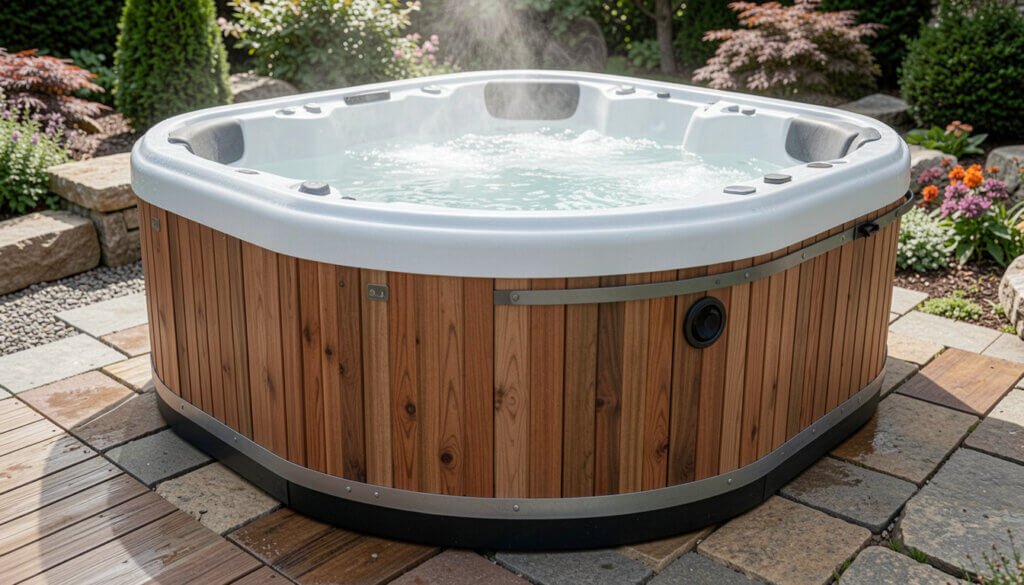
How Long to Heat a Wood Fired Hot Tub
A wood fired hot tub usually takes around 2 to 3 hours to heat from cold water to a comfortable soaking temperature. With a standard 30kW stove and the thermal lid on, water heats at roughly 10°C per hour, so filling with cold tap water and lighting the fire in the early afternoon typically means a warm soak by early evening.
That said, heating time isn’t fixed it shifts depending on starting water temperature, outdoor conditions, tub size, insulation, and how the fire is managed. This guide breaks down exactly what affects heating speed for a wood fired hot tub, what a realistic timeline looks like across the seasons, and practical ways to get warm water faster without wasting fuel.
For most UK households running a wood fire heated hot tub, the typical heating window looks like this:
- Cold tap water (10–15°C) to 38–40°C: roughly 2–3 hours with the lid on and a well-fed fire
- Already lukewarm water (20°C+) to soaking temperature: 1–1.5 hours
- Very cold winter water (5°C or below): 3–4 hours, sometimes longer without insulation
These figures assume a properly sized stove (commonly 20–30kW) matched to the tub’s water volume, which is the single biggest factor in heating speed.
What Determines Heating Time?
1. Stove Size and Type
The kW rating of the stove is the main driver of how fast a hot tub wood fired system heats water. A 30kW stove, for example, raises water temperature at approximately 10°C per hour under normal conditions. Undersized stoves relative to tub volume will always take longer, regardless of how well the fire is managed.
Whether the stove is integrated (inside the tub) or external (connected via hoses) also plays a small role external stoves can sometimes heat slightly more efficiently since heat transfer isn’t limited by the tub’s internal seating layout, though the difference is usually minor compared to stove size itself.
2. Starting Water Temperature
Filling with cold mains water in winter naturally takes longer to heat than filling in mid-summer when ambient and tap water temperatures are already higher. Some owners speed this up by partially filling with warm water from an indoor tap before topping up, cutting heating time noticeably.
3. Insulation and the Thermal Lid
A well-insulated wood fired hot tub with polyurethane foam insulation around the tub body and a fitted thermal lid retains heat far more efficiently than an uninsulated tub. Leaving the lid off while heating allows warmth to escape as fast as the stove produces it, significantly extending the time needed to reach temperature.
4. Outdoor Temperature and Wind
Cold air, wind chill, and exposed positioning all pull heat away from the water surface and tub walls. A tub positioned in a sheltered spot, away from direct wind, heats measurably faster than one left fully exposed.
5. Water Volume
Larger tubs hold more water and therefore take proportionally longer to heat with the same stove output. A 2-person tub will generally reach temperature faster than a 4-6 person tub using an identically sized stove.
6. Fire Management
How the fire itself is run matters. A consistently fed, well-drafted fire burning dry, seasoned logs heats water more evenly and quickly than one that’s allowed to die down and needs relighting. Log size also matters smaller, well-split logs catch and burn more efficiently than large, damp pieces.
Typical Heating Timeline by Season
Summer: With warmer starting water and mild air temperatures, many wood fired hot tubs reach soaking temperature in as little as 1.5–2 hours.
Spring/Autumn: Expect closer to the standard 2–3 hour range, with slightly more fuel needed on cooler evenings.
Winter: Cold mains water combined with lower air temperatures can push heating time to 3–4 hours. Keeping the lid on throughout and using dry, well-seasoned wood makes the biggest difference here. Some owners choose to keep water in the tub and topped up with heat between uses in winter, rather than fully draining and reheating from cold each time though this requires the hoses and system to be flushed regularly to avoid frost damage.
How to Heat a Wood Fired Hot Tub Faster
- Keep the thermal lid on until you’re ready to get in this is the single easiest way to cut heating time.
- Use dry, seasoned firewood rather than damp or green logs, which burn poorly and produce less consistent heat.
- Cut logs to the right size for your stove’s combustion chamber logs that are too large restrict airflow and slow burning.
- Feed the fire steadily rather than letting it burn low and reigniting from a cold start.
- Position the tub out of direct wind where possible, using fencing, walls, or planting as a windbreak.
- Pre-warm the water slightly with an indoor hose if a faster turnaround is needed.
- Check the stove size matches your tub volume this is worth confirming at the point of purchase, since it has the largest long-term impact on heating speed.
Does a Pellet or Automated Heating System Heat Faster?
Some wood fired hot tub models now offer automated pellet-fed heating as an alternative to manual log stoves. These systems can maintain a steady output without the need to manually reload logs, which doesn’t necessarily heat water faster than a well-run wood stove, but it does remove the variability that comes with manual fire management — useful for anyone who wants a consistent heat-up time without monitoring the fire directly.
Frequently Asked Questions
How long does a wood fired hot tub take to heat up?
Typically, 2 to 3 hours from cold water to soaking temperature, using a standard 30kW stove with the thermal lid fitted.
Can you speed up heating a wood fired hot tub?
Yes keeping the lid on while heating, using dry seasoned logs, feeding the fire consistently, and sheltering the tub from wind all reduce heating time noticeably.
Does water temperature affect how long a wood fired hot tub takes to heat?
Yes. Starting with warmer water, either from a milder season or a partial warm-water fill, reduces the time needed to reach a comfortable soaking temperature.
Is an external stove faster than an integrated one?
The difference is generally small. Stove size and insulation matter far more to heating speed than whether the stove sits inside or outside the tub.
How often do you need to feed the fire while heating?
This depends on log size and stove design, but most owners add wood every 20–30 minutes during the heating phase to maintain a steady burn.
Final Thoughts
Heating a wood fired hot tub is a fairly predictable process once you understand the variables involved stove size, insulation, starting water temperature, and fire management all play a part. For most setups, a 2–3-hour heat-up time is realistic, with faster results in summer and slightly longer waits in winter. Getting the fuel, lid use, and stove sizing right makes the biggest difference to how quickly you’re soaking. Tamed Ocean’s range of wood fired hot tubs is built around this exact balance of insulation and stove performance, so heating stays consistent across the seasons.