
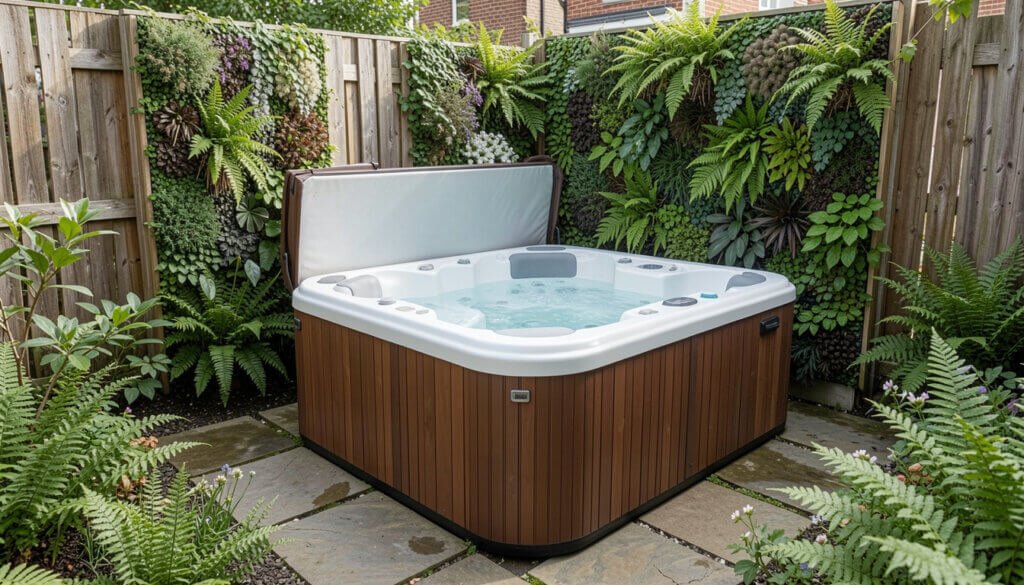
Can You Have a Hot Tub in a Small Garden?
Yes, you can have a hot tub in a small garden. Most two-to-four-person tubs need a circular footprint of around 1.8 to 2.2 metres, plus roughly 60–90 cm of clearance around the edge for access and maintenance. That means even a modest patio, courtyard, or side garden in the UK can comfortably fit a compact hot tub without eating up your entire outdoor space.
The idea that a hot tub needs a sprawling garden is one of the biggest misconceptions in outdoor living. In reality, size matters less than layout, drainage, and how the tub is positioned relative to your boundary, seating area, and access points. This guide walks through exactly what a small garden hot tub setup involves, what to check before you buy, and why a wood fired hot tub is often a smart fit for tighter spaces.
How Much Space Does a Hot Tub Really Need?
Before deciding whether a small garden with hot tub is realistic, it helps to break the numbers down:
- Tub footprint: A 2-person round tub is typically 1.5–1.7 m in diameter. A 4-person tub is closer to 1.8–2.2 m.
- Access clearance: Leave at least 60 cm around the tub so you can step in and out safely, and so a stove or heater (if wood fired) can be refilled or serviced.
- Base and drainage: A level gravel bed, decking, or paving slab base slightly larger than the tub itself.
- Overhead space: If the tub has a chimney (common with wood fired stoves), make sure there’s clearance from fences, pergolas, or overhanging branches.
For most UK terraced or semi-detached properties, this works out to needing roughly a 3 x 3 metre usable area smaller than many people assume. A corner of a patio, an unused side return, or a raised decking section is often enough.
Best Hot Tub Types for Small Gardens
Not every hot tub style suits a compact plot. A few features make a noticeable difference in small spaces:
- Round tubs over rectangular ones: a circular tub fits into corners and against boundaries more efficiently than a square inflatable spa.
- External heating options: keeping the heat source outside the main tub body frees up seating space inside, useful when every square metre counts.
- Compact 2–4 person capacity: sized for a couple or small family rather than a large group, which keeps the footprint modest without compromising comfort.
- Freestanding, low-maintenance materials: timber-clad builds that don’t require extensive groundwork or a permanent concrete base.
This is where hot tubs for small gardens differ from larger installations aimed at big entertaining spaces: the priority shifts from “how many people can fit” to “how efficiently does this tub use the space it’s given.
Why a Wood Fired Hot Tub Works Well in Small Gardens
A wood fired hot tub is a particularly good match for compact UK gardens, for a few practical reasons:
No bulky electrical infrastructure. Unlike electric spas, a wood fire heated hot tub doesn’t need a dedicated power supply, control panel housing, or pump enclosure taking up extra ground space. The stove itself is compact and can sit either inside the tub (integrated) or just outside it (external), depending on how much room you have.
Natural, low-footprint heating. Because the water is heated directly by a wood-burning stove rather than an electric element, there’s less equipment to plan around — helpful when you’re already working with a tight layout.
Fits informal, rustic garden styles. Small gardens often lean toward cosy, natural aesthetics rather than sleek spa-resort looks. The timber build and gentle fire glow of a hot tub wood fired setup tends to suit these spaces visually, rather than looking oversized or clinical.
Lower running costs matter more in smaller households. Many small-garden hot tub owners are couples or small families using the tub occasionally rather than daily a wood fired hot tubs setup avoids the standing electricity costs of running a pump and heater continuously.
If space is genuinely tight, choosing a model with an external wood stove rather than an integrated one can reclaim extra room inside the tub itself, since the raised internal seat that integrated stoves require is removed from the equation.
Placement Tips for a Small Garden Hot Tub
Getting the position right matters more in a small space than a large one, since there’s less room to correct mistakes later.
- Pick a level, stable base first. Gravel, decking, or paving all work, provided the surface is flat and can bear the weight of a full tub (water alone can weigh several hundred kilograms).
- Keep it away from direct fence contact. Leave a small gap between the tub (and any chimney) and wooden fencing or structures, both for access and fire safety.
- Think about privacy before position. A trellis panel, tall planting, or a simple screen can make a corner tub feel private without needing extra square metreage.
- Consider drainage before you commit. Small gardens can pool water more easily during draining or overflow, so route drainage away from the house and any neighbouring boundary.
- Check sightlines from indoors. Positioning the tub where you can see it from a kitchen or living room window often makes a compact garden feel more connected to the house, not smaller.
Practical Considerations Before You Buy
A few extra checks are worth doing specifically because the garden is small:
- Delivery access: Confirm the tub can physically reach its final position through side gates, over fences, or via crane if access is restricted.
- Neighbour boundaries: In very tight gardens, check how close the tub sits to shared boundaries, particularly if a chimney or stove will be in regular use.
- Insulation and lid: A well-insulated tub with a thermal lid retains heat more efficiently, which matters more in small gardens where the tub may sit close to shaded walls or fences.
- Seasonal storage: If the tub needs draining over winter, plan where hoses, covers, or accessories will be stored without cluttering a compact space.
Small Garden Hot Tub Layout Ideas
- Corner placement against two boundary fences, using the third open side for access and a small bench.
- Raised decking platform that lifts the tub slightly and doubles as extra seating around the edge.
- Side-return conversion, tucking the tub into an unused alley-style space beside the house.
- Patio integration, positioning the tub flush with existing paving so it reads as part of the outdoor layout rather than an add-on.
Frequently Asked Questions
Do I need a big garden for a hot tub?
No. A small garden with a hot tub is entirely workable most compact tubs only need about a 3 x 3 metre area including access space around the edge.
What size hot tub fits a small garden?
A 2-to-4-person round tub, roughly 1.5–2.2 metres in diameter, is the most practical size for smaller UK gardens.
Is a wood fired hot tub suitable for small spaces?
Yes. A wood fired hot tub often takes up less overall space than an electric spa, since it doesn’t require separate electrical housing, and an external stove option can free up even more room.
Does a hot tub need planning permission in a small garden?
Most domestic hot tubs fall under permitted development in the UK, but it’s worth checking placement relative to boundaries and any local restrictions, especially in conservation areas or with listed properties.
How much clearance does a hot tub need from a fence?
As a general guide, leave at least 60 cm of clearance from fencing or structures, and more if the tub has a chimney or external stove that needs regular access.
Final Thoughts
A small garden doesn’t rule out owning a hot tub it simply changes the planning priorities from “how much space is available” to “how well is that space used.” With the right footprint, sensible placement, and a heating setup that doesn’t demand extra infrastructure, a compact UK garden can comfortably host a relaxing outdoor tub. For those drawn to a more natural, low-maintenance option, Tamed Ocean’s range of wood fired hot tubs shows how well this style of heating suits smaller, garden-friendly layouts.