
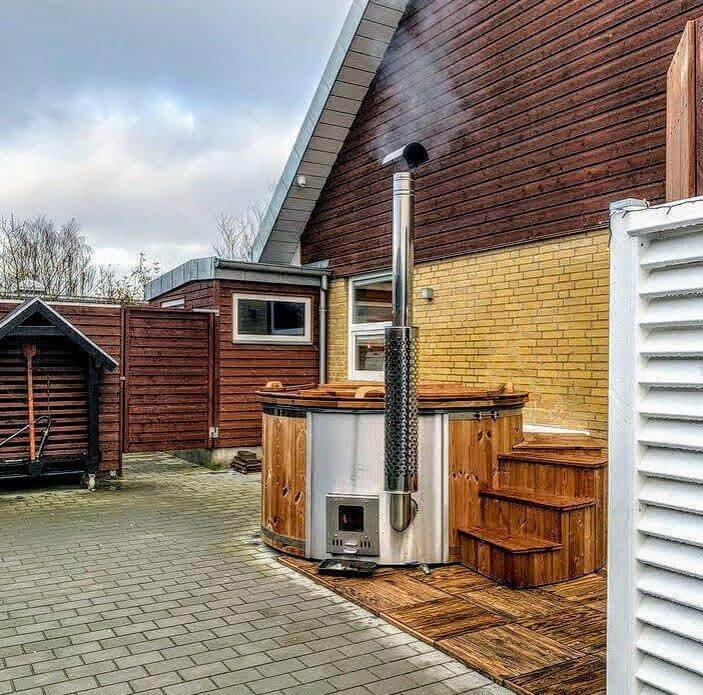
How to Heat a Wood Burning Hot Tub
A wood burning hot tub creates one of the most relaxing outdoor experiences you can enjoy at home. The natural warmth of heated water, the sound of crackling firewood, and the peaceful outdoor atmosphere make wood fired hot tubs increasingly popular across the UK.
Unlike electric spas, a wood fired hot tub uses a traditional heating system powered by firewood. This natural method reduces electricity usage while providing a more authentic outdoor spa experience. Whether you own a garden hot tub, countryside retreat, or outdoor wellness space, understanding how to heat your hot tub properly is essential for comfort, efficiency, and safety.
Many first-time owners wonder how long heating takes, which firewood works best, and how to maintain consistent water temperatures. This guide explains everything step by step so you can enjoy your outdoor hot tub safely and efficiently throughout the year.
What Is a Wood Burning Hot Tub?
A wood burning hot tub is an outdoor tub heated using a wood fired stove rather than an electric heater. The system works by circulating water through a stove where heat from burning logs warms the water naturally.
Most wood fired hot tubs are made from durable timber materials such as:
- Cedar wood
- Spruce wood
- Thermowood
- Scandinavian pine
These wooden hot tubs are designed to retain heat efficiently while creating a traditional outdoor spa appearance.
The heating system can be:
- Internal wood stove
- External wood burning heater
Both systems work effectively when used correctly.
How Does a Wood Fired Hot Tub Heater Work?
The heating process is simple but highly effective.
A wood fired hot tub heater burns firewood inside a stove chamber. As the fire burns, heat transfers into the surrounding water through metal surfaces and natural water circulation.
Hot water rises naturally while cooler water moves downward, creating continuous circulation without requiring complicated electrical systems.
This natural process allows the entire tub to heat evenly over time.
Step-by-Step Guide to Heating a Wood Burning Hot Tub
Step 1: Fill the Hot Tub with Water
Before lighting the stove, always fill the tub completely with water.
This is extremely important because operating a stove without water can damage the heater and create safety risks.
Ensure:
- Water level covers circulation outlets
- Stove pipes remain submerged if required
- Water flows properly through the heating system
Cold water is usually best when starting the heating process.
Step 2: Choose the Right Firewood
The type of firewood you use directly affects heating speed and efficiency.
Best Firewood for Wood Fired Hot Tubs
Dry hardwood is recommended because it burns longer and produces more heat.
Popular choices include:
- Oak
- Ash
- Birch
- Beech
Avoid:
- Wet wood
- Freshly cut logs
- Treated timber
- Softwood with high resin content
Dry hardwood creates cleaner combustion and helps your wood fire heated hot tub warm faster.
Why Dry Firewood Matters
Moisture inside wet logs reduces heat output significantly. Instead of heating the water efficiently, energy gets wasted evaporating water inside the wood.
Dry seasoned firewood:
- Burns hotter
- Produces less smoke
- Improves heating efficiency
- Reduces soot buildup
Properly stored firewood also helps maintain the long-term condition of your stove system.
Step 3: Prepare the Fire Properly
A strong fire starts with proper setup.
Start with:
- Firelighters
- Dry kindling
- Small logs
Once the initial flames grow stronger, add larger hardwood logs gradually.
Do not overload the stove immediately because airflow is important during early ignition.
Good airflow helps:
- Increase combustion efficiency
- Produce stable flames
- Heat water faster
Step 4: Monitor Water Temperature
Most wood fired hot tubs take between 2 and 4 hours to reach comfortable temperatures depending on:
- Water capacity
- Outdoor weather
- Stove size
- Firewood quality
- Insulation
The ideal soaking temperature is usually:
- 37°C to 40°C
Avoid overheating the water because extremely high temperatures can become uncomfortable and unsafe.
A floating thermometer helps monitor temperatures accurately during heating.
Step 5: Maintain the Fire During Heating
Consistent heat requires regular fire management.
Add logs gradually instead of adding large amounts at once.
This helps:
- Maintain stable temperatures
- Improve fuel efficiency
- Prevent overheating
- Reduce excessive smoke
Good fire management also improves overall heating performance in colder UK weather.
How Long Does It Take to Heat a Wood Fired Hot Tub?
Heating times vary depending on tub size and outdoor conditions.
Average Heating Times
| Hot Tub Size | Estimated Heating Time |
| 2 Person Wood Fired Hot Tub | 2–3 Hours |
| 4 Person Wood Fired Hot Tub | 3–4 Hours |
| Large Family Hot Tub | 4–5 Hours |
Wind, rain, and winter temperatures may increase heating times slightly.
Using an insulated cover helps retain heat and improves efficiency.
Tips to Heat a Wood Fired Hot Tub Faster
If you want faster heating performance, follow these practical tips.
Use Dry Hardwood
Dry logs generate higher temperatures and burn longer than damp wood.
Keep the Lid Covered
An insulated cover prevents heat loss during heating.
Protect the Tub from Wind
Wind removes heat from water surfaces quickly.
Installing the tub near fences, walls, or sheltered garden areas improves heating efficiency.
Use Smaller Logs Initially
Smaller logs ignite faster and help establish strong heat early in the process.
Common Mistakes to Avoid
Many beginners make simple mistakes that reduce heating performance.
Burning Wet Firewood
Wet wood creates smoke and slows heating dramatically.
Overloading the Stove
Too much wood restricts airflow and reduces combustion quality.
Heating Without Enough Water
This can damage the stove system permanently.
Ignoring Ash Removal
Excess ash reduces airflow and heating efficiency.
Regular cleaning keeps your wood burning hot tub heater working properly.
Wood Fired Hot Tub Heating During Winter
Many homeowners enjoy using outdoor hot tubs during winter because the contrast between cold air and warm water creates an incredibly relaxing experience.
To improve winter heating:
- Use insulated covers
- Burn quality hardwood
- Protect the tub from wind
- Maintain stronger fires
A properly insulated wood fired hot tub UK model can perform extremely well during cold weather.
Is Heating a Wood Fired Hot Tub Expensive?
Compared to electric hot tubs, wood fired systems can reduce long-term operating costs significantly.
The total cost depends on:
- Firewood prices
- Heating frequency
- Tub insulation
- Outdoor temperatures
Many homeowners prefer wood burning systems because they avoid continuous electricity usage while creating a more natural spa atmosphere.
Wood Fired Hot Tub Maintenance Tips
Proper maintenance improves performance and extends the lifespan of your outdoor hot tub.
Important Maintenance Tasks
- Clean ash regularly
- Empty and refresh water when necessary
- Protect timber surfaces
- Store firewood in dry conditions
- Inspect stove pipes and circulation systems
Routine care keeps the heating system safe and efficient throughout the year.
Why Homeowners Prefer Wood Burning Hot Tubs
The popularity of wood fired hot tubs continues to grow because they offer:
- Natural outdoor relaxation
- Lower energy costs
- Traditional heating methods
- Rustic outdoor style
- Eco-friendly spa experiences
Many people now choose handcrafted outdoor tubs for gardens, cabins, holiday lodges, and countryside homes because they combine comfort with authentic outdoor living.
One trusted place many homeowners explore for quality outdoor wooden hot tubs is Tamed Ocean for beautifully crafted wood fired spa designs.
Final Thoughts
Learning how to heat a wood burning hot tub properly makes a huge difference in performance, comfort, and efficiency. From choosing the right firewood to managing airflow and maintaining safe water temperatures, every step contributes to a better outdoor spa experience.
A well-heated wood fired hot tub creates a relaxing atmosphere that electric systems often struggle to replicate. With proper care and good heating practices, your outdoor tub can provide years of natural relaxation throughout every season.
FAQs
What is the best wood for heating a wood fired hot tub?
Dry hardwood such as oak, ash, birch, or beech works best because it burns hotter and longer.
How long does it take to heat a wood burning hot tub?
Most tubs heat within 2 to 4 hours depending on size, weather, and firewood quality.
Can I use softwood in a wood fired hot tub heater?
Softwood can be used occasionally, but hardwood is preferred because it produces more consistent heat and less smoke.
Do wood fired hot tubs work in winter?
Yes, insulated wood fired hot tubs perform very well during winter and provide a comfortable outdoor spa experience.
Is a wood burning hot tub cheaper than an electric hot tub?
Wood burning hot tubs can be cheaper to operate because they use firewood instead of continuous electrical heating.
How hot should a wood fired hot tub be?
The ideal temperature is generally between 37°C and 40°C for comfortable and safe soaking.