
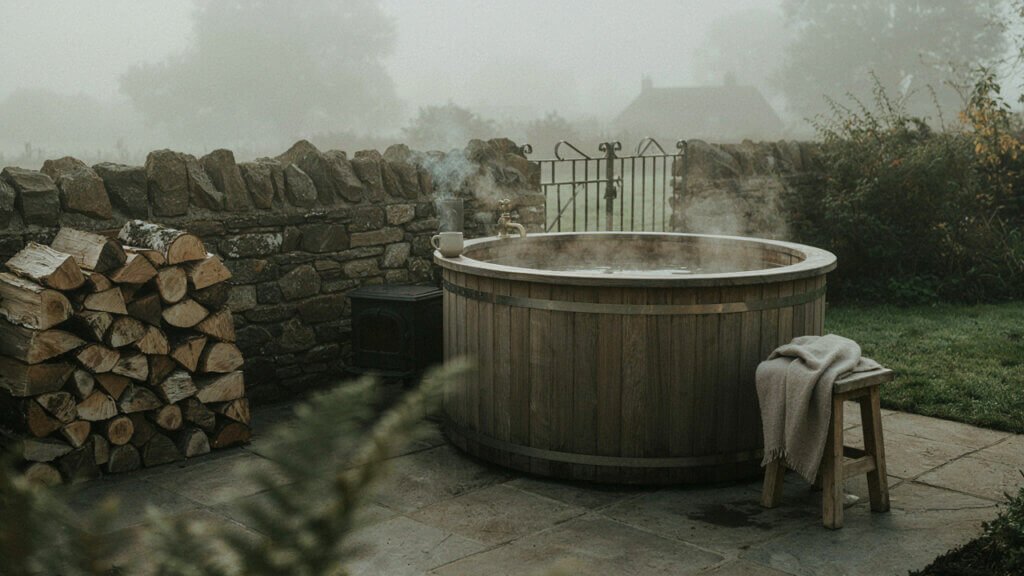
Best Wood for Heating a Hot Tub in the UK
Choosing the right firewood can make a noticeable difference to how efficiently your hot tub heats, how long the fire lasts and how easy the heating process is to manage. If you have a wood-fired hot tub, the type and condition of the wood you burn are just as important as the heater itself.
For homeowners considering wood fired hot tubs UK, one of the most common questions is: What is the best wood to use for heating a hot tub?
In most cases, well-seasoned hardwood is an excellent choice. Oak, ash and beech are popular options because they can provide steady heat and burn for a reasonable length of time. However, the best firewood can depend on availability, moisture content, your heater design and how quickly you want the water to reach temperature.
This guide explains which woods work well, which ones to avoid and how to choose firewood for a wood fired hot tub UK setup.
What Makes Good Firewood for a Hot Tub?
Not all firewood performs in the same way. The best wood for heating a hot tub should ideally be:
- Properly seasoned or kiln-dried
- Low in moisture
- Dense enough to provide consistent heat
- Suitable for your particular heater
- Stored somewhere dry
- Easy to light and manage
Moisture content is particularly important. Wet or freshly cut wood contains a significant amount of water, so much of the fire’s energy is used to evaporate that moisture rather than heating your hot tub.
Dry wood generally burns more efficiently and produces more useful heat.
Oak: A Reliable Hardwood Choice
Oak is one of the most popular hardwoods available in the UK.
It is dense, burns steadily and can provide a long-lasting fire. This makes it useful when you want to maintain heat without constantly adding logs.
Benefits of oak
- Long-burning
- Dense hardwood
- Produces good heat
- Widely available in the UK
- Suitable for sustained heating
The main disadvantage is that oak can be harder to light than some softer woods, particularly when used on its own.
For hot tub owners, a good approach can be to use smaller, easy-to-light pieces to establish the fire before adding larger oak logs.
Ash: Excellent for Consistent Heating
Ash is another popular option for wood burning hot tubs UK.
It is relatively easy to light compared with some other hardwoods and produces a good amount of heat. Properly seasoned ash can burn steadily and is often considered a practical all-round firewood.
Why choose ash?
- Good heat output
- Relatively easy to light
- Steady burning
- Suitable for regular use
- Commonly available in the UK
If you use your hot tub frequently, ash can be a convenient choice for routine heating.
Beech: High Heat and Long Burning
Beech is a dense hardwood that can produce strong, sustained heat when properly seasoned.
It can be particularly useful when you want a longer-lasting fire and consistent heating performance.
However, like other dense hardwoods, beech may take longer to get going than lighter woods.
A combination of kindling, smaller dry logs and larger hardwood pieces can make the heating process easier.
Birch: Easy to Light and Good for Starting a Fire
Birch is often appreciated because it can catch fire relatively easily and produces good heat.
It can work well when starting your hot tub fire, although it may burn more quickly than very dense hardwoods.
For that reason, you may choose to combine birch with longer-burning hardwoods such as oak.
What About Softwood?
Softwoods such as pine and spruce can burn quickly and are often easier to ignite.
They can be useful for starting a fire, but they generally burn faster than dense hardwoods.
If you are using softwood, make sure it is properly seasoned and suitable for your heater.
Some softwoods can also produce more resin and smoke, so always follow the instructions supplied with your hot tub’s heating system.
Hardwood vs Softwood for a Hot Tub
The simplest comparison looks like this:
Wood | Heat | Burn Time | Ease of Lighting | Best Use |
Oak | High | Long | Moderate | Sustained heating |
Ash | High | Long | Easy | Regular heating |
Beech | High | Long | Moderate | Long-lasting heat |
Birch | Good | Medium | Easy | Starting and general heating |
Pine | Good | Shorter | Easy | Starting fires |
Spruce | Moderate | Shorter | Easy | Kindling/start-up |
The exact performance will vary depending on moisture content, log size, heater design and airflow.
Seasoned vs Fresh Wood: Which Is Better?
Seasoned wood is generally the better option.
Freshly cut wood contains a lot of moisture. Burning it can result in:
- More smoke
- Lower useful heat
- Slower heating
- Less efficient combustion
- Increased deposits in some systems
Properly seasoned firewood has had time for much of its moisture to leave the wood.
For a wood-fired hot tub, dry firewood makes the heating process more efficient and predictable.
What Moisture Level Should Firewood Have?
For efficient wood burning, firewood is commonly recommended at around 20% moisture content or lower.
You can purchase a simple moisture meter to check your logs.
Don’t rely only on appearance. Wood that looks dry on the outside can still contain considerable moisture inside.
If you regularly use your hot tub, investing in a moisture meter can help you maintain more consistent fuel quality.
Kiln-Dried vs Seasoned Firewood
Both can work well, but they are not exactly the same.
Seasoned Firewood
Seasoned wood has naturally dried over time.
It can be an economical option when purchased from a reliable supplier and stored correctly.
Kiln-Dried Firewood
Kiln-dried logs are dried in controlled conditions to reduce their moisture content.
They are often ready to burn immediately and can provide predictable performance.
For homeowners who want convenience, kiln-dried logs can be a practical choice.
How Should You Store Firewood for Your Hot Tub?
Even good-quality firewood can become difficult to burn if it is stored badly.
Keep your logs:
- Off the ground
- Protected from persistent rain
- In a well-ventilated area
- Away from standing water
- Loosely stacked rather than completely enclosed
- Conveniently located near, but safely away from, the hot tub
Avoid wrapping a large woodpile completely in airtight plastic. Air circulation is important for maintaining dry firewood.
If you own wooden hot tubs UK, having a dedicated dry storage area near your tub can make regular use much easier.
How Much Firewood Does a Hot Tub Use?
There is no single answer because fuel consumption depends on several factors.
These include:
- Hot tub size
- Starting water temperature
- Outdoor temperature
- Water temperature target
- Heater design
- Firewood moisture content
- Log size
- Wind conditions
- Insulation
- How often the tub is used
A well-insulated tub with dry hardwood can require less fuel than a poorly insulated tub exposed to cold and wind.
The manufacturer’s instructions should be your first reference for recommended fuel and heating practices.
Can You Mix Different Types of Wood?
Yes, in many wood-fired systems, different suitable types of firewood can be combined.
For example, you could use smaller, easy-to-light pieces to establish the fire and then add dense hardwood logs for longer-lasting heat.
A combination of:
Kindling → smaller dry logs → larger hardwood logs
can provide a controlled way to build the fire.
Always follow the specific operating instructions for your heater.
What Wood Should You Avoid?
Avoid burning wood that is:
- Wet or visibly waterlogged
- Painted
- Varnished
- Chemically treated
- Coated
- Contaminated
- Made from household waste or unknown materials
Do not burn treated timber simply because it is dry. Chemicals in treated or painted wood can create harmful emissions and potentially damage the heating system.
For your hot tub, stick to appropriate, clean firewood recommended for the appliance.
Is Oak the Best Wood for a Wood-Fired Hot Tub?
Oak is one of the best choices, but it is not automatically the best option for everyone.
If you want long-lasting heat, oak can be excellent.
If you want easier lighting, ash or birch may be more convenient.
If you want a practical everyday fuel, well-seasoned ash can be a good option.
The most important factors are often dryness, quality and suitability for your particular heater, rather than choosing one specific species.
What Is the Best Wood for Luxury Wood-Fired Hot Tubs?
If you have invested in luxury wood fired hot tubs, you want to protect the performance of the heating system by using suitable, clean and dry firewood.
A premium hot tub does not necessarily require a special type of wood. Instead, use the fuel recommended by the manufacturer and prioritise:
- Low moisture content
- Good-quality logs
- Appropriate log size
- Clean, untreated wood
- Proper storage
Using high-quality firewood can make the heating experience easier and more consistent.
Does the UK Climate Affect Firewood Choice?
Yes.
The UK’s wet and changeable weather means firewood storage deserves particular attention.
Rain, humidity and poor ventilation can increase moisture levels in your logs. During autumn and winter, this can become especially noticeable.
If you’re using an outdoor wood fired hot tub UK throughout the year, keep a reliable supply of dry firewood under cover.
A covered log store with good airflow can make a significant difference.
What Is the Best Wood for Winter Hot Tub Use?
During colder months, dense hardwoods such as oak, ash and beech can be useful because they provide sustained heat.
However, winter heating times can still be longer because the starting water and surrounding air are colder.
Good insulation, a suitable cover and dry firewood can all help.
If you’re planning to use a wood fired jacuzzi UK setup throughout winter, consider the entire system rather than focusing only on the type of firewood.
How to Heat a Wood-Fired Hot Tub Efficiently
Choosing good firewood is only one part of efficient heating.
- Start with dry kindling
Use dry kindling and smaller logs to establish a strong fire.
- Add larger logs gradually
Once the fire is established, add larger hardwood pieces as required.
- Keep the fire controlled
Avoid adding excessive wood at once. Follow the heater’s operating instructions.
- Keep the tub covered when appropriate
A suitable cover can help reduce heat loss when the hot tub is not being used.
- Stir or circulate the water if your system requires it
Some hot tub systems rely on natural circulation, while others have different methods. Follow the instructions for your specific model.
- Use dry fuel consistently
Wet wood can make heating slower and less predictable.
Frequently Asked Questions
What is the best wood for heating a hot tub?
Well-seasoned hardwood such as oak, ash or beech is generally a good choice. The best option depends on your heater, local availability and how you want the fire to perform.
Is oak good for a wood-fired hot tub?
Yes. Dry oak is dense and can provide steady, long-lasting heat, making it a popular choice for wood-fired heating.
Can I use pine in a wood-fired hot tub?
Dry pine may be suitable for some systems, but it burns relatively quickly. Always check your heater manufacturer’s recommendations before using a particular type of wood.
Should I use kiln-dried wood for my hot tub?
Kiln-dried wood can be a convenient option because it typically has a low moisture content. Properly seasoned firewood can also work well when stored correctly.
Can I burn wet wood in a hot tub heater?
Wet wood is not recommended for efficient heating. It produces more smoke and uses energy to evaporate moisture rather than producing useful heat.
How much wood do I need to heat a hot tub?
Fuel requirements vary according to the size of the tub, starting water temperature, weather, insulation, heater design and target temperature. Check the manufacturer’s guidance for your particular model.
What is the best firewood for winter in the UK?
Dense, dry hardwoods such as oak, ash and beech can provide sustained heat. Keeping the wood properly covered and dry is especially important during the UK’s wetter winter months.
Can I burn treated timber in my hot tub heater?
No. Painted, varnished, treated or chemically contaminated wood should not be used as firewood. Use clean, suitable fuel recommended for your heating system.
Final Thoughts
The best wood for heating a hot tub in the UK is not necessarily the most expensive wood or a particular species. Dry, clean and suitable firewood is the key.
Oak, ash and beech are excellent hardwood choices for sustained heat, while birch and suitable softwoods can be useful for getting a fire started. Whatever you choose, make sure your logs are properly dried, stored in a ventilated area and suitable for your specific heater.
For anyone comparing wood fired hot tubs for sale UK, remember that the heating system, insulation, tub size and manufacturer’s recommendations are just as important as the fuel you plan to burn.
With the right firewood and sensible storage, wood fired hot tubs UK can provide a comfortable outdoor bathing experience across the seasons. Tamed Ocean offers wood-fired hot tub options designed for outdoor relaxation, making it important to choose a model and heating setup that suits your garden, lifestyle and preferred way of heating.