
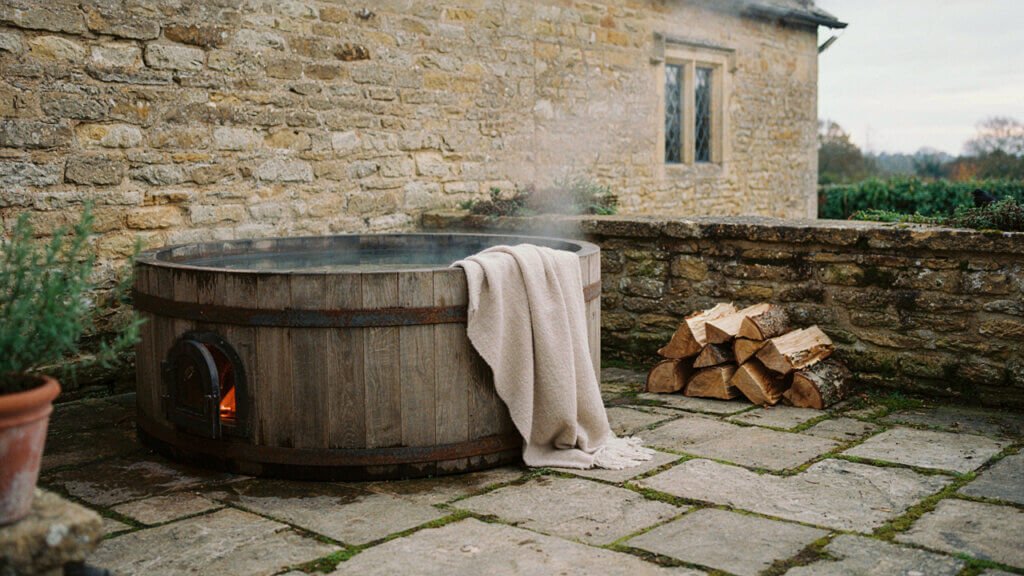
What’s the Best Firewood for Your Wood Fired Hot Tub?
One of the biggest joys of owning a wood fired hot tub is the ritual of it building a small fire, watching the flames flicker under the stove, and slowly feeling the water warm around you. But not all firewood performs the same way. The type of wood you burn can make the difference between a quick, clean, steady heat-up and a smoky, slow, frustrating one.
If you’ve recently bought a wood fired hot tub for sale or you’re still deciding between models, understanding your fuel options now will save you a lot of trial and error later. In this guide, we’ll break down the best firewood choices for your tub, what to avoid, and how to store and prepare logs so every soak heats up quickly and efficiently.
Why Firewood Choice Actually Matters
A wood fired hot tub stove works by burning fuel in a firebox, which heats water either directly through an integrated heater or via an external stove connected by hoses. The efficiency of that heat transfer depends heavily on how hot and how cleanly your fuel burns.
Poor-quality or wet wood burns cooler, produces more smoke, and leaves behind more ash and creosote buildup in your flue. Good firewood, on the other hand, burns hotter, cleaner, and more consistently meaning your water reaches soaking temperature faster and your stove stays in better condition over the years.
The Best Types of Firewood for a Wood Fired Hot Tub
1. Seasoned Hardwoods (Best Overall Choice)
Hardwoods are the gold standard for heating a wood fired hot tub UK model, and for good reason. They burn hotter, slower, and more consistently than softwoods, giving you sustained heat without needing to constantly feed the fire.
- Oak – Burns slowly and produces excellent, long-lasting heat. It takes longer to season (often a year or more), but it’s worth the wait.
- Ash – One of the best all-round firewoods. It burns well even when only partially seasoned and produces a strong, steady flame.
- Beech – Burns hot and clean, similar to oak, and is widely available across the UK.
- Birch – Burns fast and hot, making it great for getting your fire going quickly, though it burns through faster than oak or ash.
2. Softwoods (Good for Quick Starts)
Softwoods like pine, spruce, and larch burn faster and hotter initially but don’t sustain heat as long as hardwoods. They’re excellent for getting your fire established quickly, especially as kindling or in the early stages of heating, but they’re not ideal as your only fuel source since you’ll need to reload more frequently.
3. Kiln-Dried Logs (Most Convenient Option)
If you want consistency without worrying about seasoning your own wood, kiln-dried logs are hard to beat. They’re dried in a controlled environment to a very low moisture content (usually under 20%), which means they light easily, burn cleanly, and produce minimal smoke. For anyone who wants a hassle-free experience with their wood fired hot tub, kiln-dried hardwood logs are often the most reliable choice year-round, especially in wetter UK winters when naturally seasoned wood can struggle to stay dry.
Why Moisture Content Is the Most Important Factor
Regardless of the species of wood you choose, moisture content matters more than almost anything else. Freshly cut (“green”) wood can contain 45–60% water by weight. Burning wood these wet wastes most of the fire’s energy evaporating moisture instead of heating your water, and it produces heavy smoke and creosote buildup.
Properly seasoned firewood should sit at around 15–20% moisture content. You can test this with a simple moisture meter, but there are also visual and physical clues:
- Seasoned logs are noticeably lighter than fresh ones
- They often have a greyish, faded appearance rather than a fresh, pale cut
- They make a sharp, hollow cracking sound when two pieces are knocked together, rather than a dull thud
- The bark is often loose or starting to peel away
How to Season Firewood Properly
If you’re buying unseasoned logs or cutting your own, proper seasoning is essential before they’re ready to fuel your wood fired hot tub for sale.
- Split the logs to a manageable size smaller pieces dry faster and are easier to fit into most stove fireboxes.
- Stack them off the ground on a pallet or raised platform to allow air to circulate underneath.
- Cover the top only, leaving the sides exposed so moisture can escape rather than getting trapped.
- Store in a sunny, well-ventilated spot rather than a damp, enclosed shed.
- Give it time softwoods can season in around 6–12 months, while dense hardwoods like oak may need 12–24 months.
Firewood to Avoid
Not all wood is safe or effective for heating a hot tub stove. Steer clear of:
- Wet or green wood: Produces excessive smoke, poor heat, and heavy creosote buildup
- Treated or painted wood: Releases harmful chemicals when burned and should never go into any stove
- Softwood with high resin content in excess: While fine for kindling, resin-heavy softwoods like pine can cause more rapid creosote buildup if used as your primary fuel
- Driftwood: Often contains salt, which can corrode metal stove components over time
- Chipboard, MDF, or pallet wood: These frequently contain glues and chemicals that are unsafe to burn
How Much Firewood Do You Actually Need?
The amount of firewood needed to heat a wood fired hot tub depends on your stove size, the ambient temperature, and how insulated your tub is. As a general guide, most tubs need a steady fire for around 2–3 hours to reach a comfortable soaking temperature from cold. Well-insulated tubs with a thermal lid retain heat more efficiently, meaning you’ll use less wood overall and won’t need to keep feeding the fire once you’re actually soaking.
Keeping a stash of dry, seasoned logs of varying sizes on hand smaller pieces for quick ignition, larger split logs for sustained heat will make the whole process smoother and more predictable.
Tips for a Better, Cleaner Burn
- Use dry kindling to start, then build up with small split logs before adding larger pieces
- Don’t overpack the firebox airflow is essential for a clean, efficient burn
- Clean out ash regularly so it doesn’t restrict airflow to the fire
- Check your chimney and flue periodically for creosote buildup, especially if you’ve burned wetter wood in the past
- Store extra logs undercover near your tub so you’re never caught short mid-soak
Final Thoughts
Choosing the right firewood is one of the simplest ways to get the most out of your wood fired hot tub UK experience. Well-seasoned hardwoods like oak, ash, and beech will give you the most reliable, long-lasting heat, while kiln-dried logs offer unbeatable convenience if you don’t have the space or time to season your own supply. Whatever you choose, keeping your wood dry and properly stored will always pay off in faster heat-up times, cleaner burns, and a stove that lasts for years to come.
At Tamed Ocean, we always recommend pairing quality firewood with a well-insulated tub and thermal lid, since the two work together to give you the fastest, most efficient soak possible. If tending a fire isn’t for you, it’s also worth exploring a Smart Pellet Hot Tub, which swaps logs for automated pellet heating while keeping that same natural, wood-powered warmth.
FAQs
What is the best firewood for a wood fired hot tub?
Seasoned hardwoods like oak, ash, and beech are generally considered the best firewood for a wood fired hot tub, as they burn hotter, cleaner, and for longer than softwoods.
Can I use any type of wood in my hot tub stove?
No. Avoid wet or green wood, treated or painted timber, driftwood, and materials like chipboard or MDF, as these either burn poorly or release harmful substances when combusted.
How dry does firewood need to be for a hot tub stove?
Firewood should have a moisture content of around 15–20% for the best burn. Freshly cut wood can be 45–60% moisture, which produces excessive smoke and poor heat output.
How long does it take to season firewood for a hot tub?
Softwoods typically season in 6–12 months, while denser hardwoods like oak can take 12–24 months to reach the right moisture level for efficient burning.
Are kiln-dried logs better than naturally seasoned wood?
Kiln-dried logs are more convenient and consistently low in moisture, making them a reliable option year-round, especially during wetter UK seasons when air-drying wood can be difficult.
How much wood do I need to heat my hot tub?
Most wood fired hot tubs need a steady fire for around 2–3 hours to heat from cold, though the exact amount depends on your stove size, insulation, and outside temperature.
Is there an alternative to burning wood in a hot tub?
Yes. A Smart Pellet Hot Tub uses compressed wood pellets and automated heating instead of logs, giving you similar natural warmth with far less manual fire-tending.