
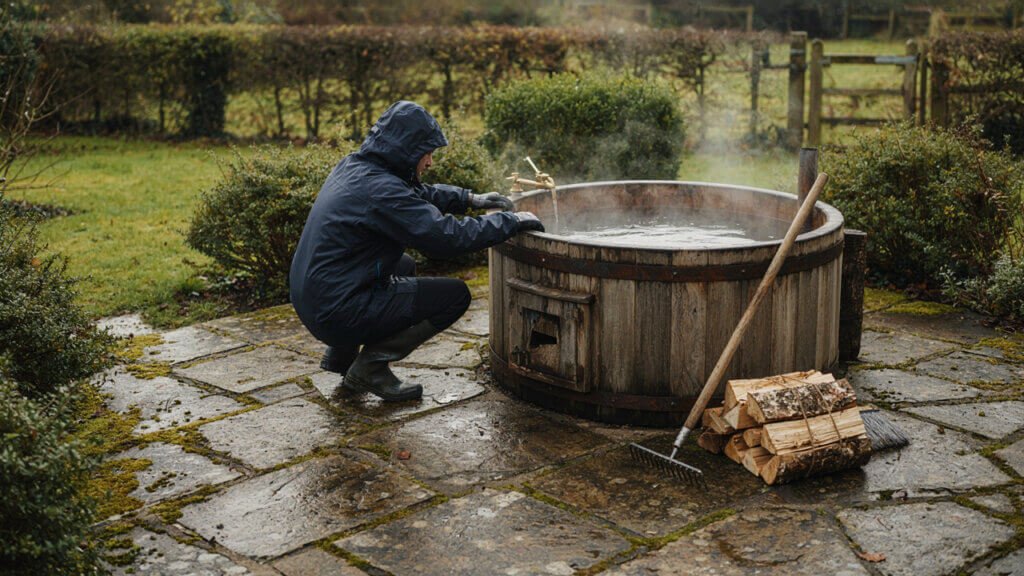
How to Maintain a Wood Fired Hot Tub: The Complete UK Guide
A wood fired hot tub is one of the most rewarding additions you can make to a UK garden, but like any outdoor investment, it needs regular care to stay in top condition. Whether you already own one or you’re researching a wood fired hot tub for sale, understanding proper maintenance will help you get more relaxing soaks and a longer-lasting tub, whatever the British weather throws at it.
This guide walks through everything you need to know about keeping a wood fired hot tub UK-ready in every season from daily upkeep to deep winter care.
Why Maintenance Matters More in the UK Climate
The UK’s mix of rain, damp winters, and unpredictable temperature swings put extra demands on outdoor equipment. A wood fire heated hot tub relies on natural materials and a solid fuel heater, both of which need consistent attention to avoid frost damage, water contamination, or wear on the wooden shell. Owners in London, across England, and further afield all face similar challenges: managing moisture, protecting the wood, and keeping the heater running efficiently.
Good maintenance isn’t complicated it just needs to be routine.
Daily and Weekly Maintenance
Keeping on top of small tasks prevents bigger problems later:
- Skim the surface for leaves, insects, and debris, especially if your tub sits under trees.
- Check the water level before each use, topping up as needed so the heater isn’t running dry.
- Test water chemistry weekly using test strips, checking pH and sanitizer levels.
- Inspect the lid seal to make sure heat and debris are properly kept out between uses.
These few minutes each week make a noticeable difference to water clarity and heater performance.
Water Chemistry and Cleanliness
Because a wood fired hot tub typically holds a smaller volume of water than a swimming pool, chemical balance needs closer attention:
- Use long-acting sanitising tablets rather than fast-dissolving options, since dosing accuracy matters more in smaller volumes.
- Keep pH between 7.2 and 7.6 to protect both bathers and the tub’s internal surfaces.
- Avoid relying solely on basic dip-test kits a proper digital tester or disposable single-use tests give more reliable readings.
- Drain and refresh the water every few weeks, or more often with heavy use, rather than continuously topping up the same water.
Consistent water care is one of the biggest factors separating a well-maintained wood fired hot tub from one that develops cloudy water or odour issues.
Caring for the Wood Fired Hot Tub Heater
The heater is the heart of any wood fired hot tub, and it deserves regular attention:
- Clean out ash after every few uses so airflow through the stove stays efficient.
- Check the chimney and flue periodically for soot build-up, particularly if you use the tub often through autumn and winter.
- Inspect hoses and connections on external heaters for wear, leaks, or loose fittings.
- Only burn dry, seasoned logs. Damp or unseasoned wood burns inefficiently, produces more soot, and takes longer to heat the water.
A well-maintained heater not only heats faster but also lasts significantly longer.
Looking After the Wooden Shell
A wooden wood fired hot tub needs occasional care to keep the timber looking good and performing well structurally:
- Rinse the exterior periodically to remove dirt, pollen, and algae growth, which is common in the UK’s damp climate.
- Check metal bands or fixings for tightness, as timber naturally expands and contracts with temperature changes.
- Keep the tub reasonably shaded from constant direct sun where possible, as this reduces excessive drying and cracking of the wood over time.
- Address any small splits or rough patches early, before they widen.
Timber is naturally durable when it’s kept consistently damp on the interior (from regular use) and protected from extremes on the exterior.
Winter Maintenance in the UK
Cold weather is where most maintenance mistakes happen. A few essentials for the colder months:
- Never let water freeze inside pipework. Flush hoses regularly every 10 to 15 minutes of standing water is a sensible guide to prevent frost damage.
- Drain the tub fully if it won’t be used for an extended period during freezing weather.
- Keep the heater running consistently if you plan to use the tub through winter, rather than letting it cool completely between uses.
- Consider a frost-protection system for added peace of mind if you’re away from home frequently in winter.
For anyone using their tub through a typical English winter, from London gardens to more exposed rural locations, this is the single most important maintenance habit to build.
Seasonal Deep Clean
Beyond weekly upkeep, plan for a more thorough clean two to four times a year:
- Fully drain the tub.
- Scrub interior surfaces with a mild, non-abrasive cleaner suitable for hot tub use.
- Clean or descale the heater and pipework.
- Rinse thoroughly before refilling.
- Inspect seals, fixings, and the lid for any wear before the next season begins.
These deep clean resets water quality and give you a chance to catch small issues before they become expensive repairs.
Common Maintenance Mistakes to Avoid
- Burning wet or unseasoned wood, which reduces heating efficiency and increases soot build-up.
- Leaving water standing and untreated for long periods.
- Ignoring small drips or leaks around heater connections.
- Skipping winter flushing routines, which is the most common cause of frost damage.
Final Thoughts
Maintaining a wood fired hot tub doesn’t need to be time-consuming, but it does need to be consistent particularly given the UK’s variable climate. Regular water checks, sensible heater care, and proper winter precautions will keep your tub performing well for years, whether it’s tucked into a garden in London or set up on a countryside property elsewhere in England.
If you’re still weighing up your options, range of wood fired hot tubs is worth exploring for anyone comparing wooden hot tub designs and heating systems before making a decision.
Frequently Asked Questions
How often should I change the water in a wood fired hot tub?
Most owners refresh the water every few weeks, depending on usage frequency and how well the water chemistry is maintained in between.
Can I leave water in my wood fired hot tub over winter?
It’s generally safer to drain the tub during hard frosts unless you’re actively heating it and flushing hoses regularly to prevent freezing.
How do I stop my wooden hot tub from drying out?
Regular use keeps the interior timber naturally hydrated, while shading the exterior and checking fixings helps prevent excessive drying or cracking.
What wood should I burn in a wood fired hot tub heater?
Dry, well-seasoned hardwood logs burn most efficiently and produce less soot than damp or freshly cut wood.