
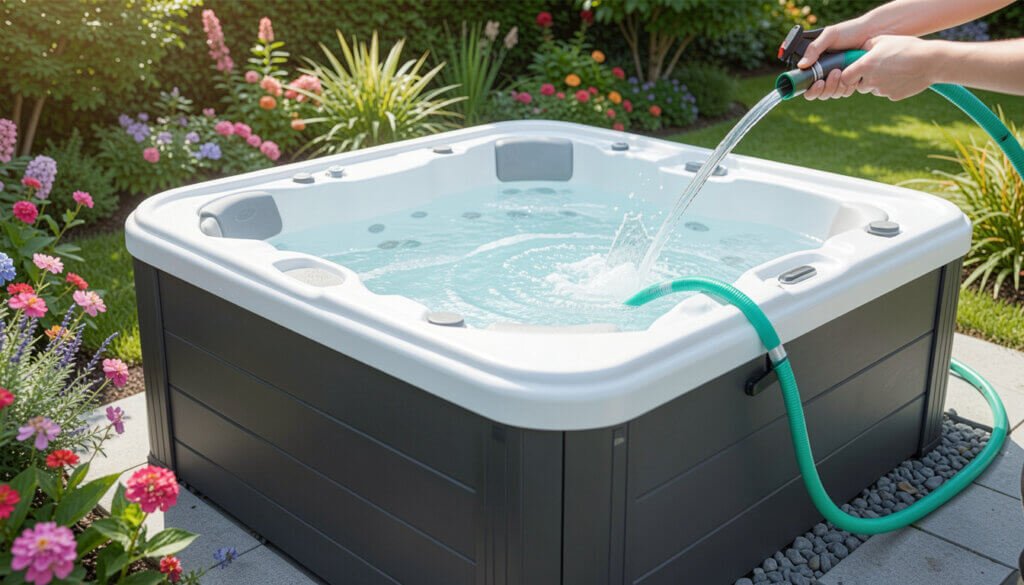
How to Empty a Hot Tub
To empty a hot tub, turn off and let the stove cool, disconnect any hoses, open the drain valve or use a submersible pump to remove the water, and direct it away from the house and any electrical fittings. Once drained, wipe down the interior, flush any water-filled hoses, and leave the lid off briefly to air out the tub before covering or refilling it.
Whether you’re draining your wood fired hot tub for winter storage, routine cleaning, or maintenance, doing it correctly protects both the tub and the stove from unnecessary damage. Here’s a full step-by-step breakdown.
When You Should Empty a Hot Tub
There are a few common situations where draining is necessary:
- Regular water changes: most hot tub water should be replaced every few weeks depending on usage, to keep it clean and balanced
- Winter storage: if you won’t be using the tub through freezing weather, draining prevents frost damage to the stove and pipework
- Maintenance or repairs: cleaning the stove, checking hoses, or inspecting the tub interior all require an empty tub
- Moving the tub: a full wooden wood fired hot tub is far too heavy to relocate safely
Step-by-Step: How to Empty a Hot Tub
Step 1: Let the Stove Cool Completely
Never drain a hot tub while the stove is still hot. Let the fire die out naturally and allow the stove to cool fully before doing anything else. Draining hot water through a cold pipe or valve can cause damage, and handling a hot stove is a safety risk.
Step 2: Disconnect the Power (If Applicable)
If your tub has electric jets, filtration, or a pellet-fired wood fired hot tub heater with electronic controls, switch off and disconnect the power supply before draining, to avoid any contact between electrical components and draining water.
Step 3: Locate the Drain Valve
Most Wood-Fired Hot tubs have a drain valve or bung near the base of the tub. Position a hose on the valve to direct water to an appropriate drainage area, ideally a spot in the garden that can absorb the water, away from the house foundations, patios, or any electrical outdoor fittings.
Step 4: Open the Valve and Let Gravity Do the Work
Open the drain valve fully and allow the water to flow out naturally. This can take anywhere from 20 minutes to a couple of hours depending on the tub’s size and water volume. If your tub doesn’t have a low-level drain valve, a submersible pump can be used to speed up the process, especially for the last few inches of water that won’t drain by gravity alone.
Step 5: Flush the Stove and Hoses
For tubs with an external stove, disconnect and flush the connecting hoses to remove any remaining water. Leftover water sitting in hoses or the stove itself is one of the most common causes of frost damage in winter, so this step matters even more if you’re draining for cold-weather storage.
Step 6: Remove Remaining Residue
Once the bulk of the water is out, use a cloth or soft sponge to wipe down the interior of the tub, removing any residue, scale, or debris left behind. This is also a good time to check for any build-up around the stove’s water inlet and outlet connections.
Step 7: Air Out the Tub
Leave the lid off for a few hours, or overnight, if possible, to let the interior fully air dry. This helps prevent mould or musty smells from developing while the tub sits empty, especially if it will be out of use for an extended period.
Step 8: Cover or Refill
If you’re planning to use the tub again soon, you can refill it straight away. If it’s being stored for winter, keep the lid on to protect the interior from debris and weather, and consider a breathable cover if the tub will sit empty for weeks.
Winter Draining: What You Need to Know
Cold weather is the most important time to get draining right. If freezing temperatures are expected and the tub won’t be used for a while, it should be fully drained, including all connecting hoses, to prevent water from freezing and cracking pipework or the stove itself.
If you’d rather keep using your wood fire heated hot tub through winter instead of draining it, the alternative is to keep the water topped up and warm at all times, flushing the hoses regularly (roughly every 10-15 minutes) to stop them freezing. Some owners fit an electric heater alongside the wood stove, or use a pellet-fired system with a built-in frost monitor, to maintain a safe minimum temperature automatically overnight.
Common Mistakes to Avoid
- Draining while the stove is still hot always let it cool first
- Letting water pool near the tub’s base this can affect the stability of the substructure over time, especially on grass or untreated ground
- Forgetting to flush the hoses trapped water is a leading cause of frost cracks
- Draining directly onto delicate plants or lawn areas repeatedly hot tub water often contains chemical treatments that can affect grass and plants if drained to the same spot each time
- Leaving the tub open to the elements for long periods debris, leaves, and rainwater can build up quickly in an uncovered, empty tub
Frequently Asked Questions
How long does it take to empty a hot tub?
Most hot tubs drain in 30 minutes to a couple of hours depending on size and whether you’re using gravity drainage or a submersible pump.
Can I drain hot tub water onto my lawn?
In most cases, yes, though it’s best to vary the drainage spot and avoid draining directly onto delicate plants, since chemically treated water can affect some vegetation if it pools repeatedly in the same area.
Do I need to empty a wood fired hot tub every time after use?
No. Most owners drain and refresh the water every few weeks depending on usage, rather than after every single soak, as long as the water is properly maintained and chemically balanced between uses.
Should I empty my hot tub before winter?
Yes, if you won’t be using it during freezing weather. Draining the tub and flushing all hoses prevents frost damage to the stove and pipework, which is far more costly to repair than simply draining it correctly.
What’s the fastest way to empty a hot tub?
A submersible pump combined with the tub’s drain valve is the fastest method, clearing most of the water quickly and handling the last few inches that gravity alone won’t remove.
Final Thoughts
Emptying a wood fired hot tub correctly isn’t complicated, but skipping steps like cooling the stove first or flushing the hoses can lead to avoidable damage over time. A little care during draining, especially before winter, goes a long way toward protecting your investment.
If you’re researching a wood fired hot tub UK purchase and want a model built with straightforward maintenance in mind, Tamed Ocean’s range is designed with accessible drainage and insulation that makes routine care simple, season after season.